Studio Outside
I was asked to participate as the Guest Speaker at the 1st event hosted by Brooks and Jenny Crawford (Brookside Landscape) under the name: Studio Outside.
The goal of the event was to create a space for collaborative discussion surrounding the business of landscape design.
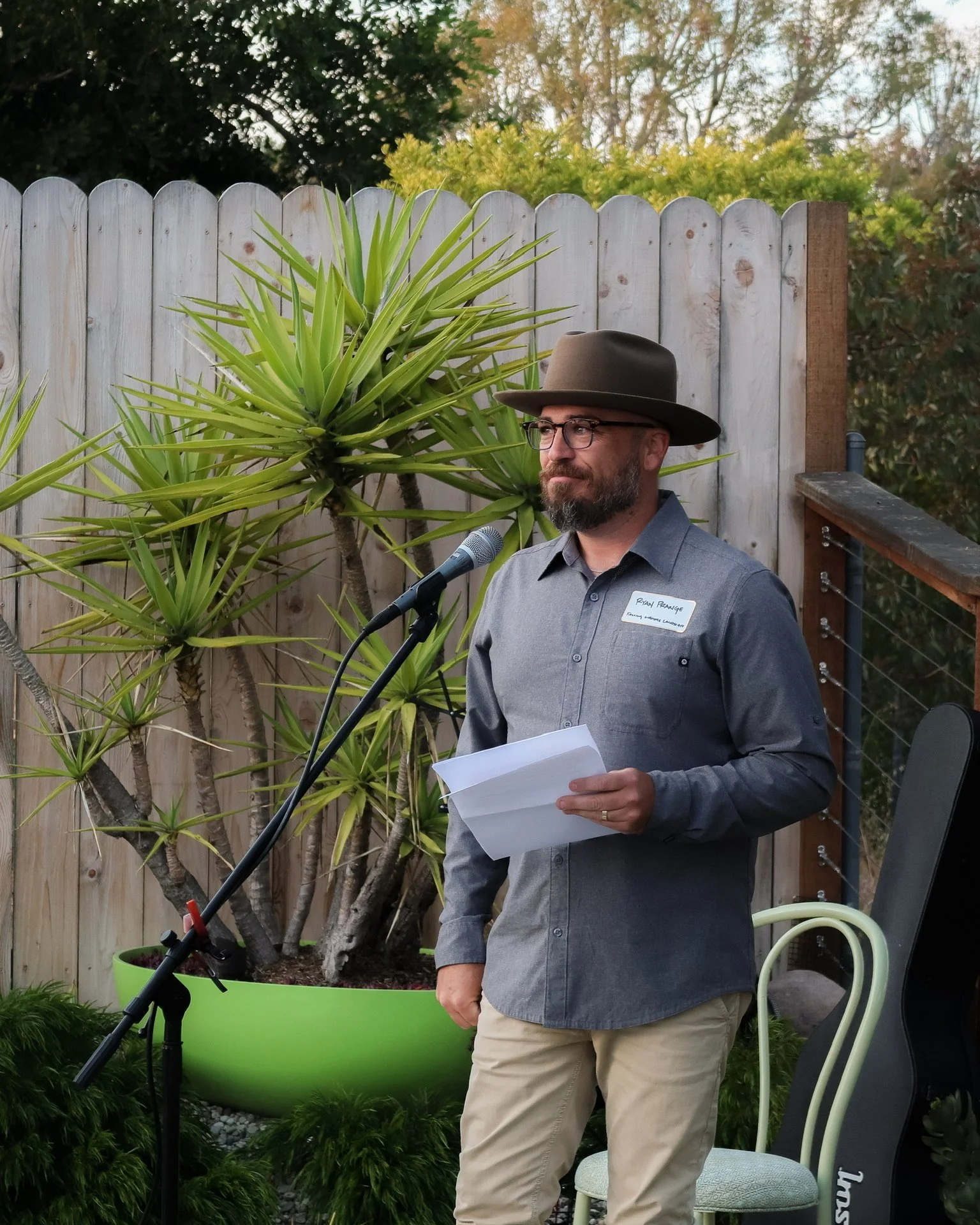
Ryan Prange speaking on Hospitality in the industry
They asked me to come up with a topic to share with the group and speak for 15-20min. Incidentally at the time I was implementing a new initiative at Falling Waters Landscape all around showing more hospitality to our clients, vendors, and to each other. I thought this was a perfect topic to discuss with my colleagues. Below is an abridged transcript of my talk.
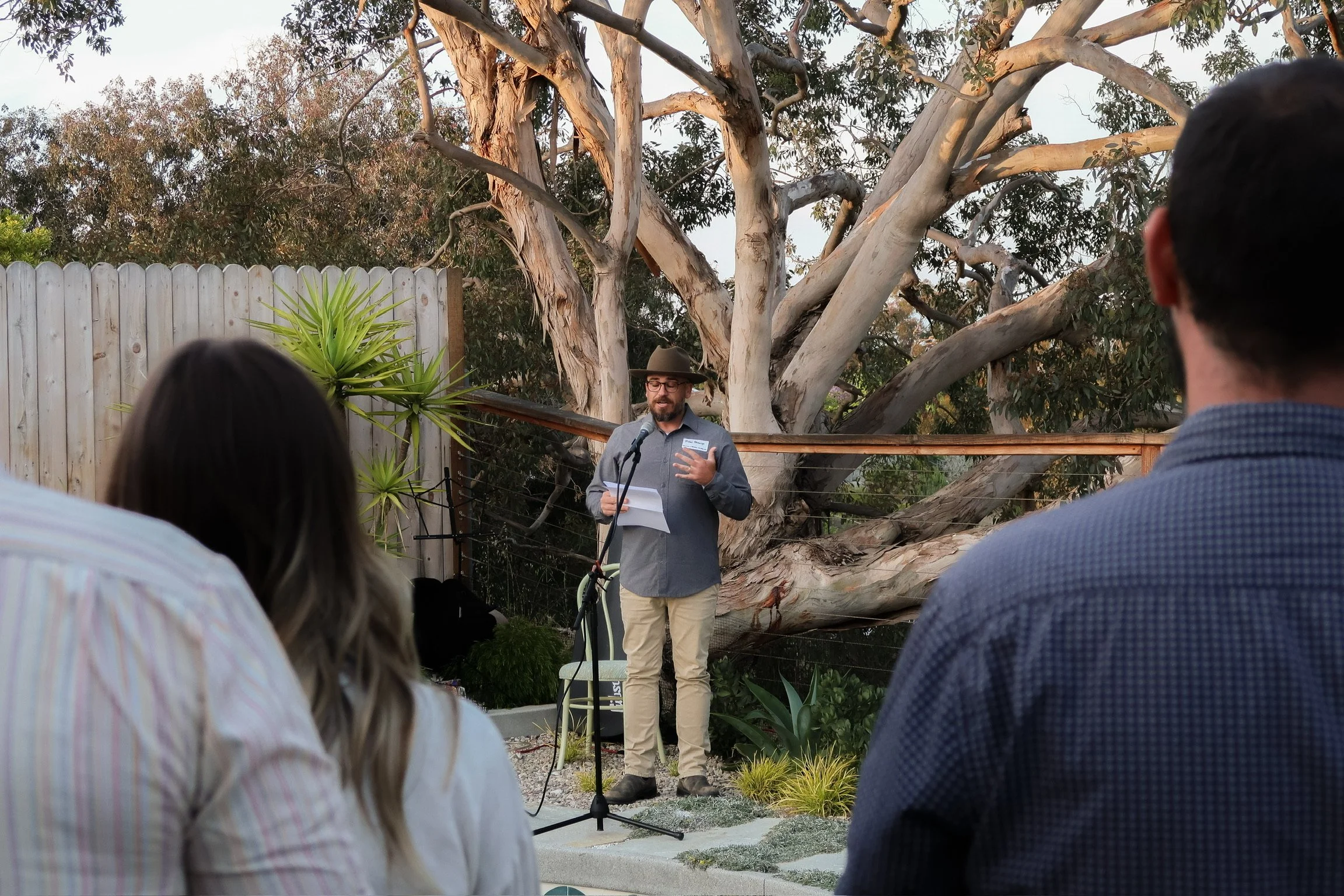
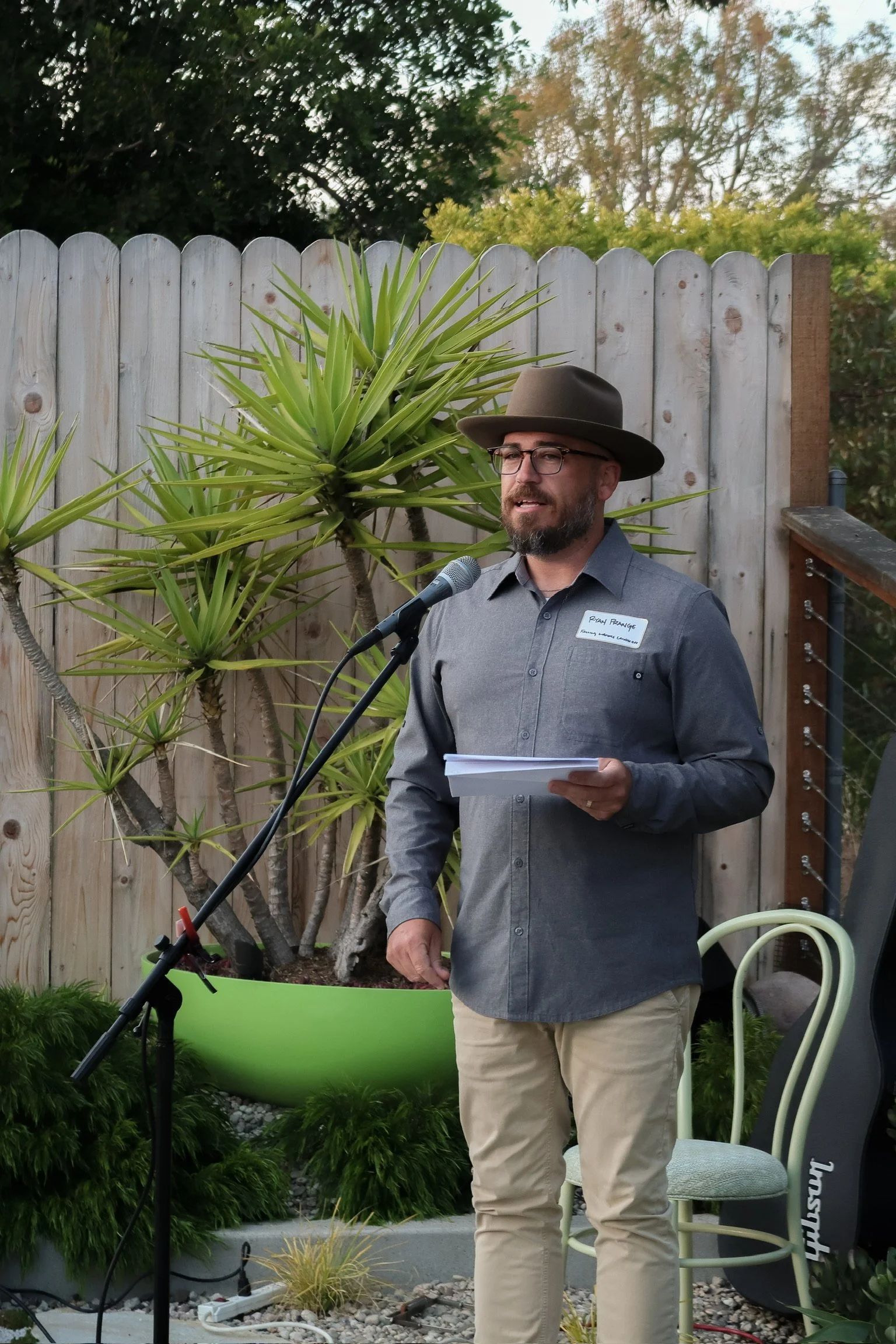
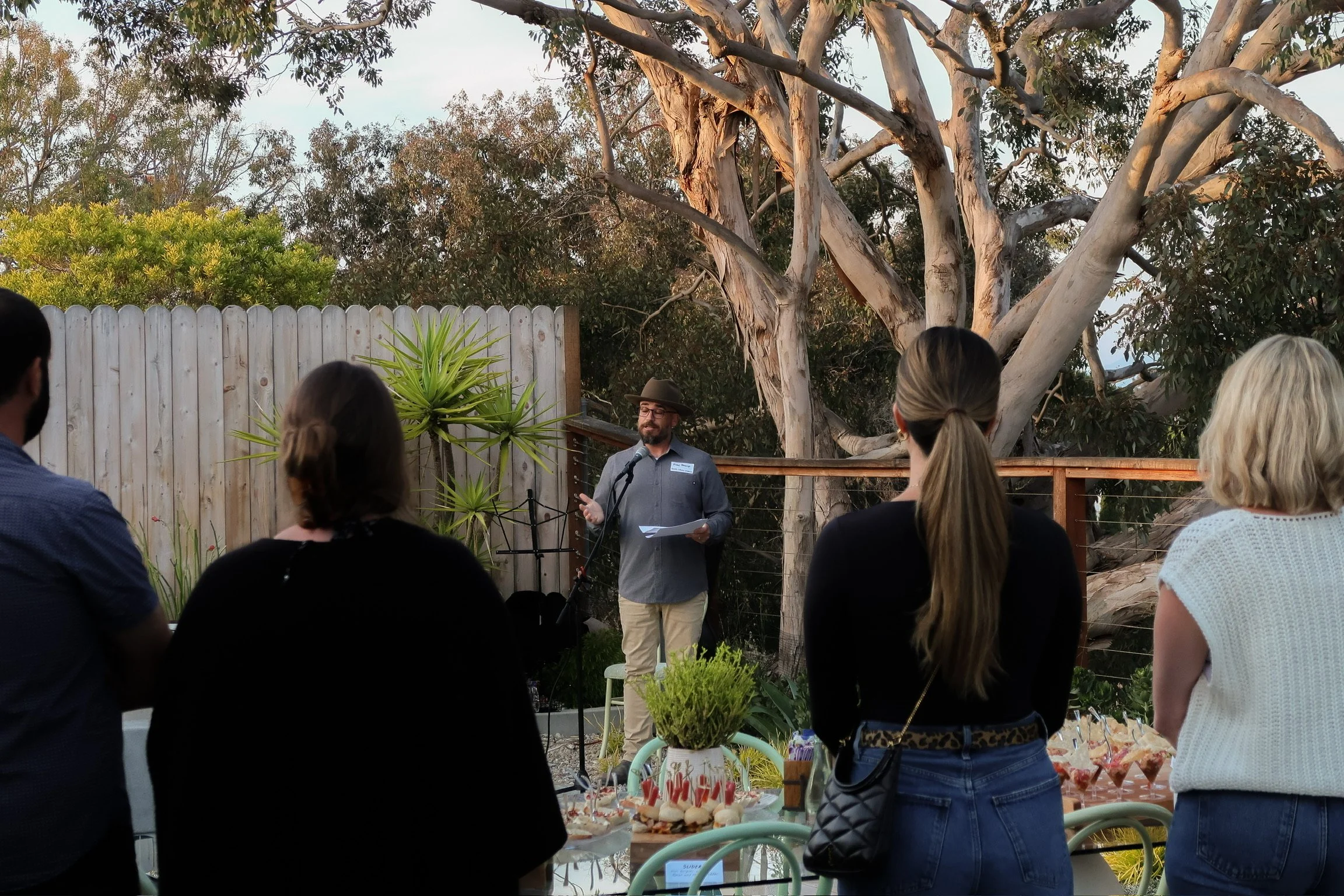
“So what does Hospitality have to do with the design and build process, and why am I here to talk to you about it? Well lets start by thanking our gracious hosts, Brooks and Jenny. This is a super fun idea. I know personally I have a hard time - making the time - to connect with colleagues. We all have busy lives, but it can be nice to leave our cares out there for the next couple of hours and get to know each other.
The Restaurateur and author, Will Guidara said “Whatever you do for a living you can choose to be in the hospitality business.”
Think about the best meal you’ve ever had. Or a hotel stay that left a lasting impression. You probably don’t remember all the details, but you remember how it made you feel.
That’s hospitality. And it doesn’t belong only to restaurants or hotels—it belongs in our work too.
Design and construction is full of moving parts—budgets, crews, clients, delays…. So much takes our time and attention.
But what if we shifted our approach? For the next few minutes I want you to look at your business through the lens of hospitality.
And I’ll share with you all three shifts that have changed how I lead, design, and interact with clients, and then we can have an open forum of ideas where you all can share ways youve gone above and beyond in your businesses. It should make for a lively evening:
So what shifts are we talking about….
Designing with emotion, not just function.
Solving hard problems with hospitality, not just efficiency.
Leading with values and a clear point of view.
“Are you designing landscapes or experiences?”
We all know how to lay out a site plan, select plants, install irrigation. But are we creating spaces people just look at, or ones they want to live in?
Great hospitality in design starts by engaging the senses:
What will they smell when they open the patio door?
Will their kids run barefoot on soft grass?
Is there a cozy nook to drink coffee and watch the sun come up?
This means we need to stop thinking just about square footage and start thinking about emotional square footage.
What if you took just 5% of your design or marketing budget to create something that didn’t make practical sense—but made emotional sense?
A legacy tree planted with the client’s kids.
A tiny fair garden inspired by their daughter’s imagination.
A citrus path with rosemary that smells like grandma’s kitchen.
These aren’t upgrades. These are moments that make clients feel seen.
And they don’t cost much. They just take intention.
"Don’t ruin a good idea with the facts or being too practical. Start with what you want to achieve—and reverse engineer it."
When you design this way, you stop being a contractor and start being a curator of joy.
The second shift in my point of view was how I found myself responding when I was met with a conflict.
Let’s be honest: this business is messy. Payments get weird. Projects run long. Subs flake. Clients ghost you after you spent hours on a proposal.
Our default reaction is to:
Push harder.
Cut costs.
Get defensive.
But instead, ask:
"What’s the most hospitable solution?"
Is payment a friction point? Offer 1-touch payment or credit card options.
Sub falling behind? Take them to lunch. Ask what’s going on. Show care before criticism.
Client chooses someone else? Don’t get bitter—get curious. Learn from your competition. Be inspired.
Hospitality isn’t weakness. It’s a better way to do business. It builds loyalty, diffuses tension, and fosters long-term relationships.
"Doing things this way is harder, but it will always be the better solution."
Even internally, think about your team. Are your decisions based on fear of losing control—or on hope that people will rise to the standard?
Hospitality doesn’t mean caving. It means leading with empathy and building a culture people don’t want to leave.
The 3rd shift in my thinking took an introspective turn and I really needed to determine the kind of person, leader that I wanted to be.
“I used to want to be all things to all people... the Target brand. But in a world of Walmarts and Nordstroms, have a point of view and stick to it.”
A few years ago, I sat down and did my best to define my core values and what motivates me. The point of the exercise is to create a simple mission statement. It should identify what motivates you and what you do, or how you go about fostering and creating that motivation. I came out of that exercise with this:
"I am driven and motivated by creating and causing joy, pleasure, and happiness through experiences. I use food, design, and travel as my medium to accomplish those goals."
That "why" shapes how I lead, how I design, how I choose projects, how I navigate tension and generally guides my decision making.
If you don’t have your "why," I highly recommend setting aside some time to work on it. Reflect. Talk to your partner, your team. Be introspective and really get down to the nitty gritty of what makes you tick, what fires you up. Then share it—and live it. Let it be your filter through which all your decisions are made.
As a leader we have opportunities daily to show real hospitality to our teams, to really share the spotlight. This kind of humility can be rare in an industry that can sum up an entire project with a few photos and credit to one designer or Architect. So what can we do?
Give your crew the credit they deserve.
Compliment the sub in front of the client.
Recognize the office manager who keeps things moving.
When we treat those around us this way, we foster a collaborative environment and create the kind of leadership and reputation that ripples outward.
Let’s recap:
We talked about designing emotion, not just space.
We looked at solving problems through hospitality, not just pressure.
And we discussed leading with clarity and care, grounded in your core values.
This industry is full of noise—tight timelines, budget stress, changing expectations. But you get to decide what your company is known for.
For me, it all goes back to the moment when I decided to get into this business… (ask me about this story)
So what can hospitality look like in your business? It doesn’t need to mean extravagance. It can be simple, thoughtful, generous, Its creating the experience and the feelings that YOU would want.
So the next time you're up against a problem, ask yourself:
"What’s the most hospitable solution?"
And then go do that. You will benefit from the results just as much as your clients and your team.
This rising tide - I hope - will elevate our industry and make those in our orbit just little happier. And isn’t that the hospitable thing to do?”